

The Key Takeaways for Busy B2B Leaders
Website compliance is no longer an optional line item on your digital roadmap – it is a foundational requirement for trust, visibility and growth. GDPR and ADA standards exist to protect users, but they also benefit the businesses that implement them. Companies that invest in compliance see better SEO performance, stronger user engagement, fewer legal risks and a competitive edge in a crowded marketplace.
If your website hasn’t undergone a compliance audit within the last year, now is the time to take action. A modern, compliant website reflects the same professionalism and reliability your customers expect from your products and services.
The Hidden Risks (and Growth Opportunities) for B2B Companies
In today’s B2B landscape, your website isn’t just a digital brochure; it’s your hardest-working sales asset, your most visible brand touchpoint, and often your first impression with prospects. But in 2025, it also represents something else: a potential legal and financial liability if it isn’t compliant.
Global privacy regulations, such as GDPR, and accessibility standards, including WCAG and ADA, have reshaped what a “modern” website must deliver. For companies selling technical products and services, these requirements are no longer optional. Your customers expect trustworthy, transparent and accessible digital experiences – and regulators expect even more.
Below, I break down why compliance matters, what’s changing, the risks B2B companies face, and how your organization can turn these requirements into strategic advantages.
The Compliance Conversation Is No Longer Optional
1. GDPR & Global Privacy Laws: What B2B Leaders Must Know
Although GDPR originated in the European Union, its influence now extends far beyond Europe. Any B2B company whose website attracts visitors from the EU – which includes most U.S.-based industrial and technical brands – must comply with GDPR’s expectations for transparent data collection, cookie consent and proper management of user information. Companies must be able to show how user data is stored, how long it’s retained, who has access to it, and how users can request updates or deletion.
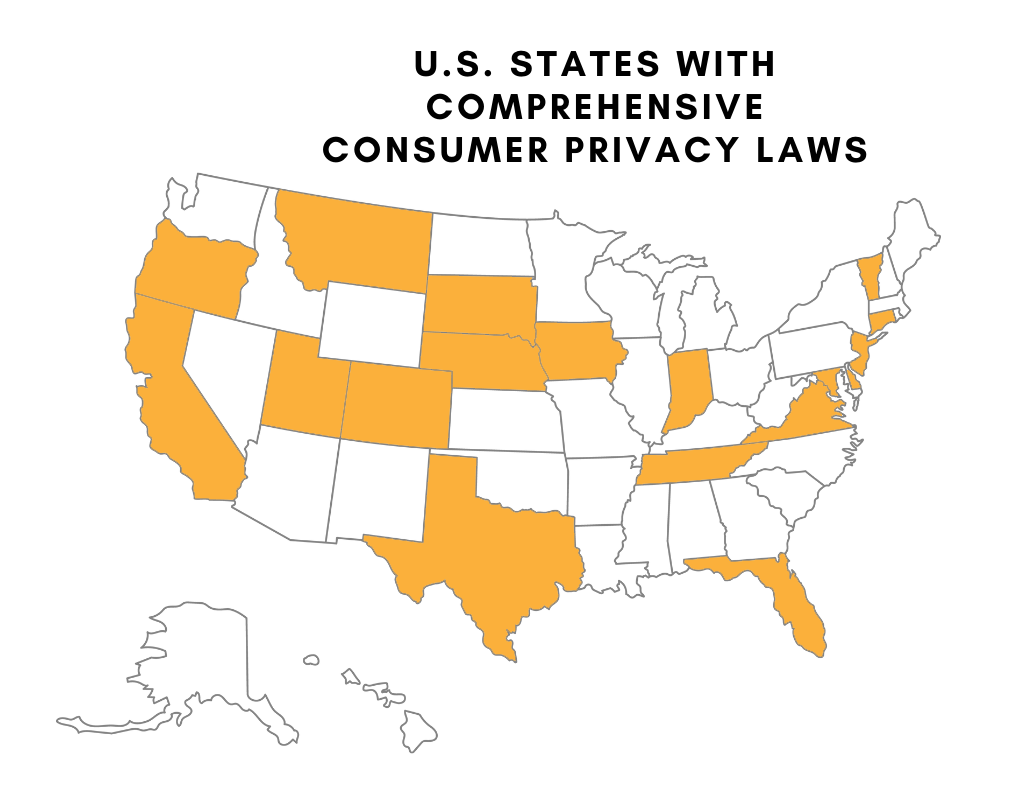
On top of GDPR, a wave of U.S. state-level privacy laws – including California’s CCPA/CPRA, Virginia’s VCDPA, and others – requires companies to provide users with greater control over their data. These regulations govern everything from cookie tracking to marketing permissions, and they apply regardless of whether you intentionally target users in those states.
Put simply: if your website doesn’t have a modern, compliant consent banner and a clear, legally aligned privacy policy, you may be exposing your business to fines, lawsuits, or forced data restrictions.
2. ADA & Accessibility Compliance: A Universal Expectation
Just as privacy rules protect user data, ADA and WCAG standards protect user access. These guidelines ensure websites are structured to enable people with disabilities to navigate and understand them. Accessibility compliance affects everything from color contrast and font sizes to how images are labeled, how forms communicate errors, and whether users can access all content with a keyboard or screen reader.
For B2B companies – especially those in manufacturing, engineering, healthcare, energy, or transportation – an inaccessible website can quickly become a liability. Lawsuits related to ADA non-compliance have increased dramatically across all sectors, and plaintiffs’ attorneys now routinely target websites that lack basic accessibility features. Beyond legal exposure, an inaccessible website can unintentionally shut out prospects, partners, or potential employees who simply cannot interact with your content.
Accessibility isn’t just compliance – it’s a brand statement. Companies that prioritize inclusive digital experiences consistently earn greater trust and loyalty.
Why Compliance Matters More in B2B Than Ever Before
Today’s technical buyers conduct most of their research before engaging with a sales team. If your website is outdated, non-compliant, or inaccessible, buyers often don’t reach out – they simply move on to a competitor whose digital presence feels more credible and trustworthy.
Additionally, many OEMs and strategic partners now expect vendors to meet certain digital compliance standards as part of broader risk mitigation and cybersecurity initiatives. For companies in highly regulated or safety-critical industries, website compliance is increasingly viewed as an extension of operational integrity.
Beyond this, compliant websites are also more secure and more search-friendly. Search engines reward websites that provide transparent data practices and accessible user experiences. The result is faster load times, stronger engagement metrics and better keyword performance – key ingredients for a high-performing lead-generation engine.
The Hidden Growth Opportunity: Turning Compliance into a Competitive Advantage
Forward-thinking B2B manufacturers no longer see GDPR or ADA requirements as burdens. Instead, they use compliance efforts to modernize their digital strategies, improve UX and elevate brand trust.
When companies upgrade outdated websites to ensure compliance, they often see improvements well beyond legal requirements. Privacy-safe analytics result in more accurate reporting and better decision-making. Accessibility-driven design enhancements make sites easier for all users – not just those with disabilities – which leads to improved engagement and conversion rates. Because regulators frequently update expectations, a compliance-ready digital foundation positions companies to adapt quickly without costly redevelopment later.

What Happens If You Do Nothing?
The risks of inaction continue to grow. Companies that ignore privacy or accessibility standards face potential fines, legal action and SEO penalties. Even more concerning, a non-compliant website can damage your brand reputation at a time when most buyers form their first impression digitally.
And while compliance issues can hurt performance and credibility, competitors who modernize their sites gain a competitive advantage. They become easier to find, easier to trust and easier to do business with.
How DeanHouston Helps You Protect Your Brand – And Unlock Growth
Our modern website packages provide a comprehensive, proactive approach to digital compliance. Each engagement includes GDPR-ready consent management, privacy policy alignment, ADA/WCAG-compliant design and development standards, accessibility remediations for existing content, and ongoing monitoring to ensure your website continues to meet evolving requirements. We also integrate privacy-safe analytics configurations, ensuring your measurement strategy remains effective without overstepping regulatory boundaries.
Whether you’re seeking a compliance review, incremental upgrades, or a fully redesigned digital experience, our team can help you protect your brand and position your business for long-term digital success.
Ask Our Experts
Jim Molloy
Vice President of Development
[email protected]
Justin Kees
Web Development Director
[email protected]